

up to 10Ghz 70dB 230v EMI Power Line Filter For Electronic Devices
The most robust solution for 230 V lines, 70–100 dB attenuation to 10 GHz, CE-certified rf filters manufacturer for bulk and OEM supply.
View productSpecifying power entry into an MRI magnet room comes down to three questions: what continuous load the feed carries, which attenuation band the enclosure actually needs, and how much leakage and withstand capability the electrical design can tolerate. This guide works through those questions in order, using a mri rf filter built for RF cage penetrations as the reference point, and it shows how to read a 250vac 16a rf filter rating sheet — rated current, insertion loss band, leakage limit and voltage drop — before a purchase order is issued.

The rating line is an envelope, not a single match point. Here is what each value on the HZ-2X16A sheet means when the filter is mounted at a room penetration and left running for years.
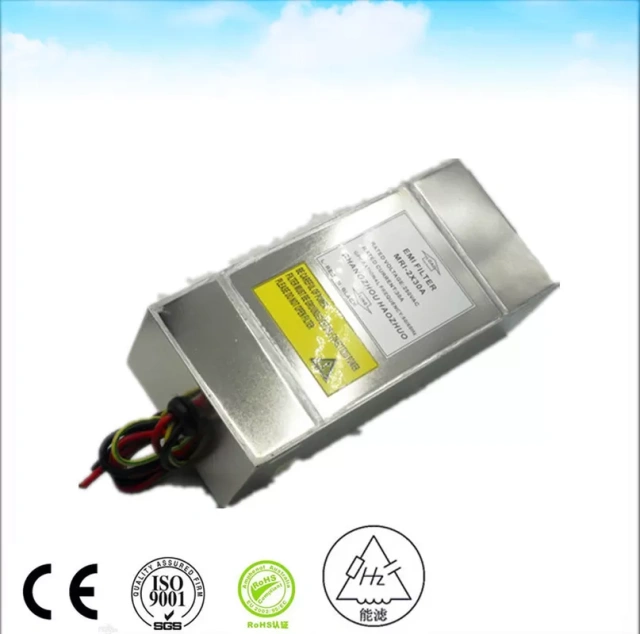
Measure the real continuous current of the branch, not the breaker size. If that number is at or below 16 A, the envelope fits. If it is above 16 A, move to a higher-current single-phase unit — such as the 70 A military filter — instead of pushing this part past its rating.
A single attenuation number is easy to print and hard to compare. The useful question is where the attenuation holds, and under what conditions it was measured.
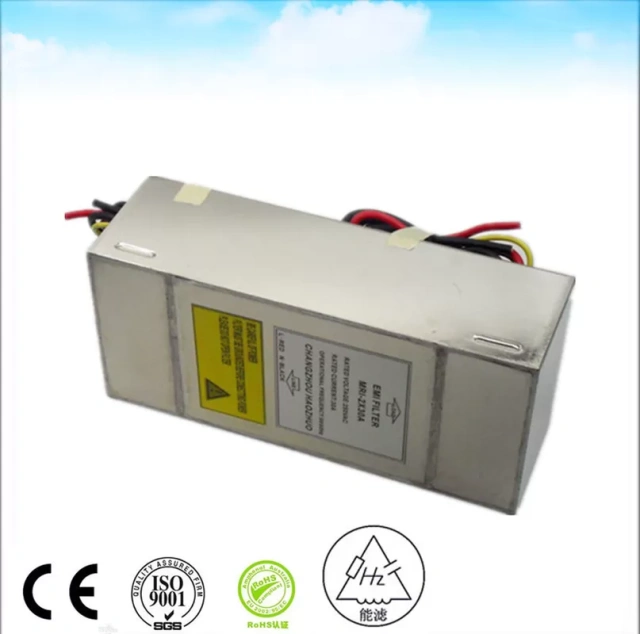
Ask for the insertion loss report with the measurement set-up attached, and compare the stated span — not the headline number — against the frequency range your magnet room must be protected across. If a supplier cannot state the condition under which the figure was taken, treat the number as indicative only.
The safety-relevant numbers on a cage penetration are the ones that interact with your protective devices and your earth arrangement.
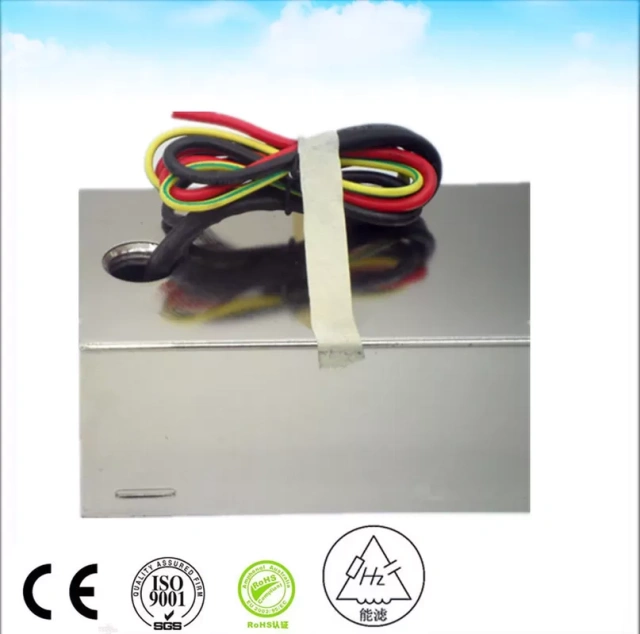
Check the leakage figure against the sensitivity of the RCD protecting the room branch, and confirm the earth reference the 380/230 VAC condition refers to. If your protection scheme is unusually sensitive, raise it in the enquiry so the recommendation is sized against your actual circuit.
The values below are the ones to quote in a specification schedule or an incoming inspection plan for the 250 VAC / 16 A single-phase RF cage filter.
| Model number | HZ-2X16A |
| Filter type | EMI filter, low-pass transfer function, through-hole package |
| Rated voltage | 250 VAC |
| Rated current | 16 A |
| Operating frequency | 50/60 Hz |
| Insertion loss | ≥100 dB @ 14 kHz–40 GHz, per MIL-STD-220A under load condition |
| 3 dB bandwidth | 14 kHz |
| Input impedance | 50 Ω |
| Stopband attenuation | 100 dB |
| Voltage drop | Less than 1 V |
| Leakage current | ≤0.2 A @ 380/230 VAC, 50 Hz |
| Dielectric withstanding voltage | 1000 VDC line-to-line; 1000 VDC line-to-case |
| Climatic classification | 25/070/21 |
| Overload | 140% of rated current for 15 minutes |
| Harmonic distortion | Less than 2% at full rated current |
| Insulation resistance | As per MIL-STD-202 Method 202 |
| Terminal strength | As per MIL-STD-202 Method 211 |
| Temperature rise | As per MIL-F-15733 |
| Application | RF shielding room power line entry |
| Certification | CE |
A general-purpose low-pass filter and an RF-cage-rated penetration part can share the same description and still fail in completely different ways. Compare what each one actually protects against.
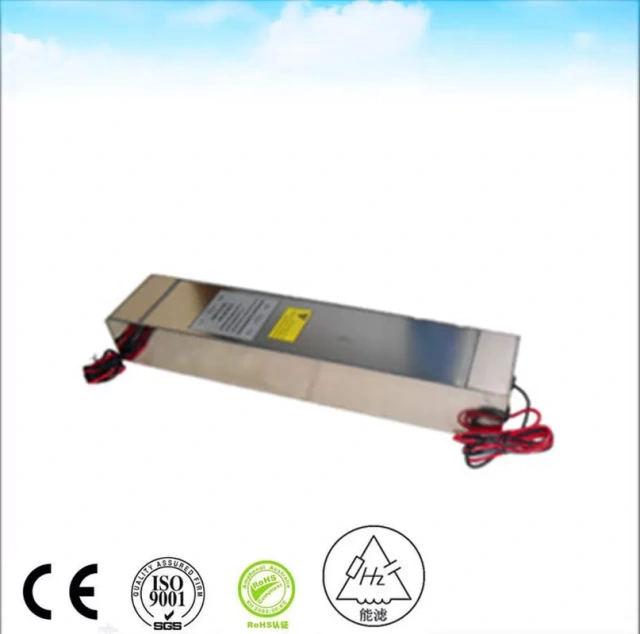
If the filter sits in a cabinet feeding general equipment, a general-purpose EMI filter is usually adequate. If it is the penetration in an RF shielded enclosure, choose on the qualified band and the declared leakage and withstand values — not on price per piece.
Attach the test evidence to the enquiry and the selection stops being a judgement call. Ask for the following with the RFQ so the choice can be defended internally.
Keep adjacent product options together for a faster catalog comparison.
The most robust solution for 230 V lines, 70–100 dB attenuation to 10 GHz, CE-certified rf filters manufacturer for bulk and OEM supply.
View product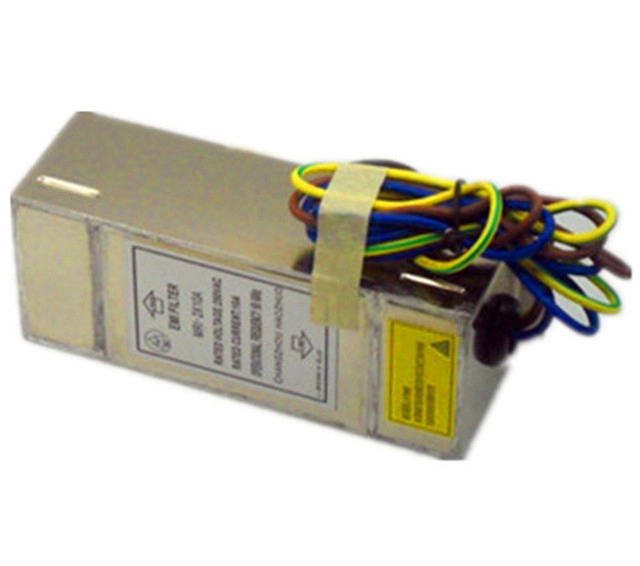
1P 220VAC 50/60 Hz16A EMI POWER LINE FILTER FOR RF SHIELDING ROOM Power line filter's principle is an impedance adaption network: the larger the impedance mismatching between line filter input output…
View product
1P 220VAC 50/60 Hz16A EMI POWER LINE FILTER FOR RF SHIELDING ROOM Power line filter's principle is an impedance adaption network: the larger the impedance mismatching between line filter input output…
View productthe model number hz-2x16a, the product title and the rated features all specify 16 a, and this guide treats it as a 16 a single-phase part. if your continuous load sits between 16 a and 30 a, size the penetration against a higher-current single-phase series and confirm the rating in writing before ordering.
it is a band claim rather than a peak figure: insertion loss of at least 100 db is declared across that span, with a 3 db bandwidth starting at 14 khz. the value is stated as measured per mil-std-220a under load condition, so a no-load bench figure from another supplier is not directly comparable.
this part is a single-phase filter. a three-phase distribution feed needs a per-phase arrangement or a three-phase rated unit, and the protection scheme has to match the configuration you choose. raise the distribution arrangement in the enquiry so the recommendation is made for the actual circuit.
leakage current is specified at ≤0.2 a under 380/230 vac at 50 hz. check that figure against the sensitivity of the protective device on the room branch, because a leakage level above the device threshold causes nuisance tripping in normal operation.
ask for the mil-std-220a under-load insertion loss report, insulation resistance per mil-std-202 method 202, terminal strength per method 211, temperature rise per mil-f-15733, and the climatic classification 25/070/21 and ce documentation. stating the rated current and voltage you intend to order helps the paperwork match the delivered part.
the minimum order quantity is from 1 piece and the supply ability is 100 pieces per week, so both single-room builds and repeat programmes are supported. packaging is 1 piece per carton with a gross weight of approximately 20 kg, shipped from shanghai.
