


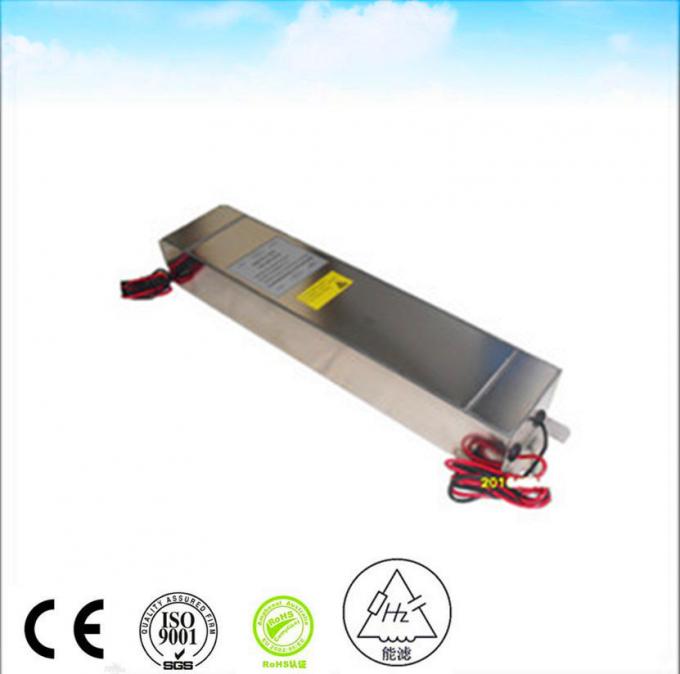
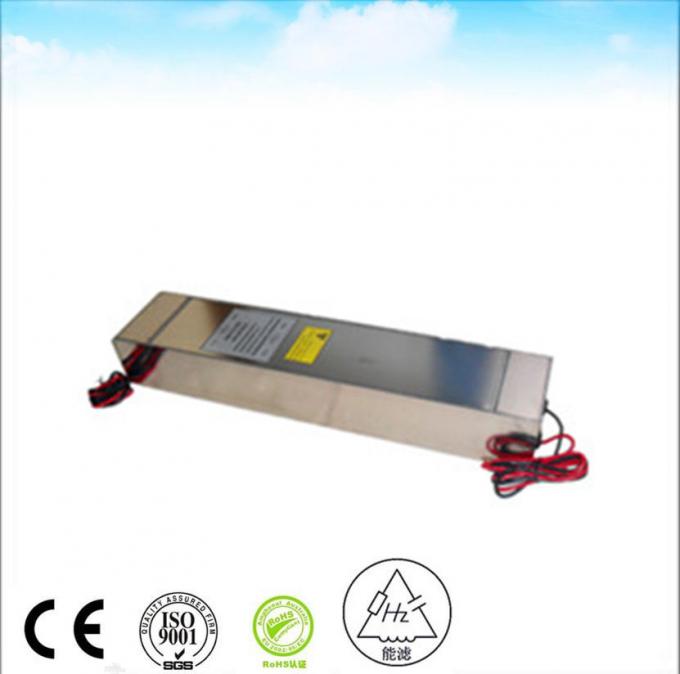
1P 220VAC 50/60 Hz16A EMI POWER LINE FILTER FOR RF SHIELDING ROOM
Targeted Electromagnetic Interference Management for Shielded Environments
This EMI power line filter is designed specifically to suppress conducted electromagnetic interference in RF shielding rooms and enclosures. It is engineered for facilities requiring stringent EMI control, such as laboratories and test chambers. Intended users include system integrators, engineers, and procurement specialists focused on safeguarding sensitive instrumentation in shielded environments. Our solution ensures electromagnetic compatibility by controlling power line noise, preventing EMI ingress or egress and supporting reliable operation of sensitive RF equipment. This positioning reflects our role as a trusted rf filters manufacturer supplying critical EMI solutions for high-precision applications.
Technical Specifications and Performance Metrics
The filter utilizes a passive LC network tailored for single-phase 220VAC 50/60Hz operation with a current rating of 16A. Key technical parameters include a voltage drop below 1V, overload tolerance up to 140% rated current for 15 minutes, and leakage current under 0.2A at 380/230VAC. The dielectric withstand rating reaches 1000VDC line-to-line and line-to-case, conforming to MIL-STD-202 for insulation and terminal strength. Shielding effectiveness spans frequencies from 10 kHz to 40 GHz with attenuation exceeding 60dB in lower bands and up to 100dB in mid-frequency ranges. These detailed specifications exemplify the engineering precision offered by our rf filters supplier.
Integration in Industry-specific Shielding Applications
Our EMI power line filters are critical components within RF shielding rooms, Faraday cages, and shielded instrument cabinets. These filters enhance shield integrity by minimizing conducted and radiated EMI that could compromise measurement accuracy or system operation. Typical deployments include RF test benches, inverter drives, and sensitive industrial equipment where electromagnetic compliance and high isolation are required. The product supports system-level integration for clean power feeds and maintenance of controlled electromagnetic environments, underscoring its industrial value and alignment with market demands for rf filters.
When selecting the power line filter, three main indicators should be considered: first is voltage and current, the following is insertion loss, and finally it is size and structure. Since the filter inside is typically potted, environment is not a main concern. However, the temperature characteristics of all potting materials and filter capacitors have some influence on the environmental characteristics of the power filter.
| Performance Data |
| Voltage Drop: Less than 1V |
| Overload: 140% of rated current for 15 minutes |
| Harmonic Distortion: Less than 2% @ full rated current |
| Leakage Current:≤0.2A@380/230VAC and 50Hz |
| Dielectric Withstanding Voltage: 1000VDC (line to line) 1000VDC (line to case) |
| DC Insulation Resistance: As Per MIL-STD-202 Method 202 |
| Terminal Strength: As Per MIL-STD-202 Method 211 |
| Temperature Rise: As Per MIL-F-15733 |
| Shielding effective: |
| 10KHz≥60dB |
| 1MHz~20MHz≥100dB |
| 20MHz~18GHz≥100dB |
| 18GHz~40GHz≥80dB |
| Climatic Classification: 25/070/21 |
Product Advantages
Design and Structural Integrity of EMI Suppression
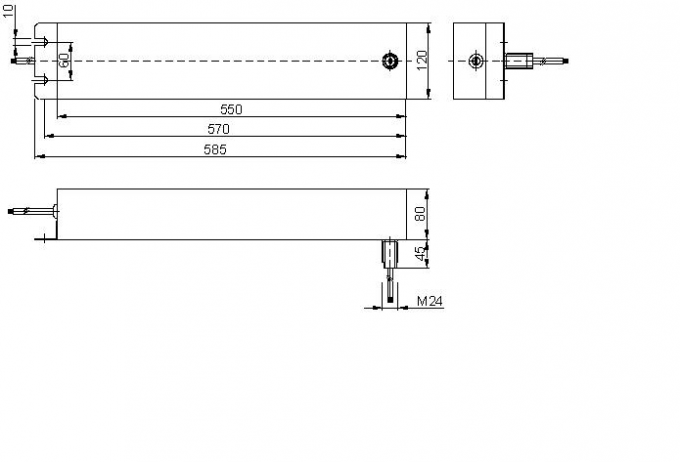
The filter's architecture employs a passive LC network with robust materials selected for durable electrical insulation and mechanical stability, tailored to demanding shielded facility environments. Modular dimensions and terminal configurations allow for straightforward installation at power inputs of shielded enclosures. Its design facilitates compliance with international standards for insulation resistance and dielectric withstand voltage, supporting seamless system integration. Utilizing proven MIL-STD testing methods assures reliability and consistent performance, which are critical factors that distinguish our rf filters manufacturer solutions.
Operational Efficiency and User-centric Performance
From a performance standpoint, the filter offers minimal insertion loss with voltage drop kept below 1V, enabling efficient power delivery without compromising system performance. Its high overload tolerance and low leakage current enhance operational safety and longevity in varied industrial contexts. The passive design, free from active components, reduces maintenance and simplifies troubleshooting. This usability profile delivers value to engineering and procurement teams by reducing downtime and ensuring electromagnetic environment stability, positioning our rf filters supplier as a practical choice for EMI mitigation.
Power line filters are generally designed as passive filters composed of resistors, capacitors, and inductors, without active components like transistors. According to the characteristics of EMI at the power port, the EMI line filter is a passive low-pass filter, which transmits AC to the power supply without attenuation and greatly attenuates the EMI noise incoming with AC. At the meantime, it effectively suppresses EMI noise generated by power equipment, to prevent them from entering the AC power grid to interfere with other electronic devices.
Use Scenarios
RF Shielding Rooms in High-precision Test Facilities
Within environments such as RF shielding rooms used for electromagnetic compatibility testing or high-frequency measurement, this EMI power line filter plays a pivotal role in preventing conducted interference from power lines. By integrating this filter at power entry points, facilities achieve compliance with stringent shielding requirements, protecting sensitive instrumentation from external EMI contamination. Its broad frequency attenuation supports diverse test scenarios, enabling uninterrupted, accurate measurements. The filter’s design adherence to industry standards ensures reliable system interoperability with existing shielding and monitoring infrastructures.
Enhancing EMI Control in Industrial Shielded Enclosures
In industrial settings, shielded enclosures protect electronics from environmental electromagnetic noise. Our EMI power line filter is essential in maintaining clean power within these enclosures, suppressing conducted EMI that could degrade equipment performance. It is deployed in manufacturing plants, rail transit control rooms, and solar energy inverters where electromagnetic disturbances are common. The filter integrates efficiently into existing power distribution frameworks, improving overall system EMC compliance without significant redesign, thus supporting operational resilience and regulatory adherence in complex industrial workflows.


